For adults, socioemotional development revolves around adaptively integrating our emotional experiences into enjoyable relationships with others on a daily basis.
first 20 years of life lay foundation for adult socioemotional development
Adult attachment styles:
secure - positive views of relationships; easy to get close to others
avoidant - hesitant about romantic relationships
anxious - demand closeness; less trusting; possessive
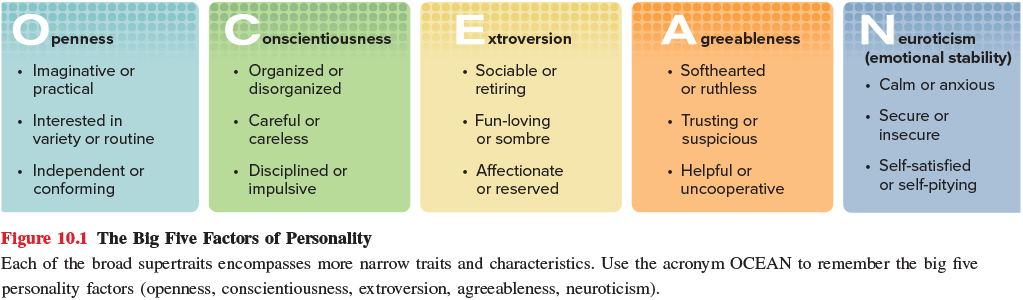
Big 5
Report suggest some consistency of personality styles over life as indicated by the big 5
Big five factors of personality: openness to experience, conscientiousness, extroversion, agreeableness, neuroticism (emotional stability).(1998; McCrae & Costa, 2006)
Love refers to a vast and complex territory of human behaviour, spanning a range of relationships that includes: intimacy, friendship, romantic love, affectionate love and consummate love.
self-disclosure/sharing of private thoughts
Erikson's Intimacy
As described in the last section adolescents have increased need for intimacy as they engage in essential tasks of developing identity managing demands of intimacy, identity and independence becomes a central task of adulthood. With the appropiate balance between intimacy and isolation, Love is the ego virtue that emerges during this stage of life.
Often closely following that is the emerging dialectic between generativity and stagnation leading to the strength of Care, an important strength in parenthood . This will be examined in the next section.
Friendship
Friendship plays am important role in development throughout life span, most people best friend or friends. While we do live in a vary transient world today many friendships are long lasting and can bee maintained at a distance through social media.
Triangle of Love
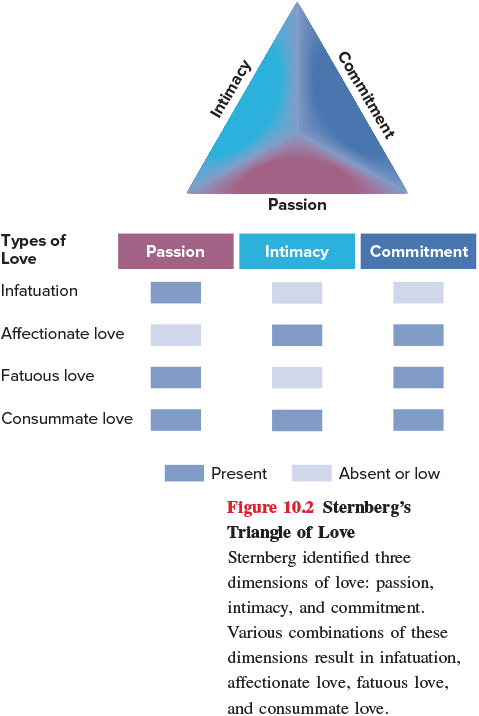
As can bee seen in the triangle of love there many forms that love can take based upon the blends of intimacy, passion and commitment
Infatuated love invovles passion with low intimacy and low commitment
Affectionate love is found in relationships with intimacy & commitment but low in passion
Fatuous love invovles passion and commitment without intimacy
Romantic and affectionate love
In western society there are two widely recognized types of love: romantic love and affectionate love
Romantic Love - also called passionate love or eros which is linked with sexuality and infatuation and is found to predominates in early romantic relationships.
Sexual desire is seen as the most important component of romantic love, but there is commonly an intermingling of: passion, fear, anger, sexual desire, joy, jealousy.
Males tend to show higher avoidance and lower anxiety about romantic love than do females
Affectionate Love - is a form of companionate love where when someone desires to have other person near, bringing caring affection for the person.
As relationships mature and develop passion tends to turn to affection as sexual attraction wanes, attachment anxieties either lessen or produce conflict and withdrawal.
Novelty is replaced with familiarity where lovers find themselves securely attached in deeply caring relationship or distressed by it.
Consummate love
Consummate Love is said to the greatest love of all, being the strongest, fullest form of love with all 3 elements in Triangle of Love:
Passion - physical/sexual attraction
Intimacy - emotional feelings of warmth, closeness, and sharing in a relationship
Commitment - cognitive appraisal of relationship and intent to maintain relationship even in face of problems
Adult Lifestyles
As families evolve over time, so do the interpersonal relationships at the heart of family life.
Common challenges faced by single adults include forming intimate relationships with other adults and confronting loneliness and also finding a place in a society that is marriage oriented
Cohabitation - means to live together in a sexual or romantic relationship without being married and often becomes a common-law spousal relationship
Sometimes seeking personal fulfillment both inside and outside marriage is a goal that competes with marital stability
Never-married men indicate that the most important factor for a potential spouse was similar ideas about having and raising children
Never-married women placed greater importance on having a partner with a steady job
Happily married people live longer, live healthier lives than either divorced individuals or those who are unhappily married
Becoming a parent
Before becoming parents many people may have mixed emotions or romantic illusions about whjcat it is like.
Fathers and mothers may bring different parenting practices and styles to the relationship
The average age of first having a child has risen while the average number of children in a family has declined
Older parents tend to be more mature and can benefit from life experiences potentially leading better parenting
Making marriage work
Factors contributing to a successful marriage:
Establishing love maps which can be tools of effective communication and bonding and shared meaning
Nurturing fondness and admiration of each other is also important where partners can turning toward each other for tangible and emotional support.
Letting your partner influence you in terms of life choices and interests also brings about shared meaning and expereince.
Divorce
Divorced adults have higher rates of depression, anxiety, physical illnesses, suicide, motor vehicle accidents, alcoholism and mortality.
Divorced women and divorced men often complain of loneliness, diminished self-esteem, anxiety about the unknowns in their lives and difficulty in forming new intimate relationships.
Both divorced men and divorced women are more likely to die by suicide than their married counterparts.
Remarried adults often find it difficult to stay remarried; remarry not for love but for financial reasons, and seeking help to rear children, reduce loneliness. New relationships might be tainted with negative patterns that produced failure in an earlier marriage
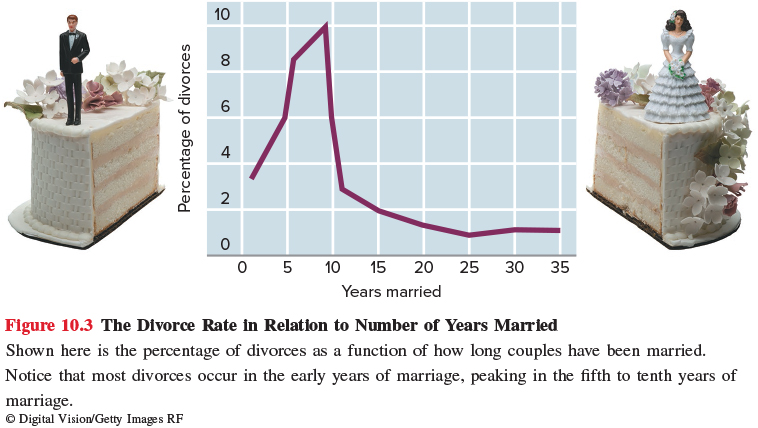
Divorce can be seen as is a chance to grow and flourish as individuals.