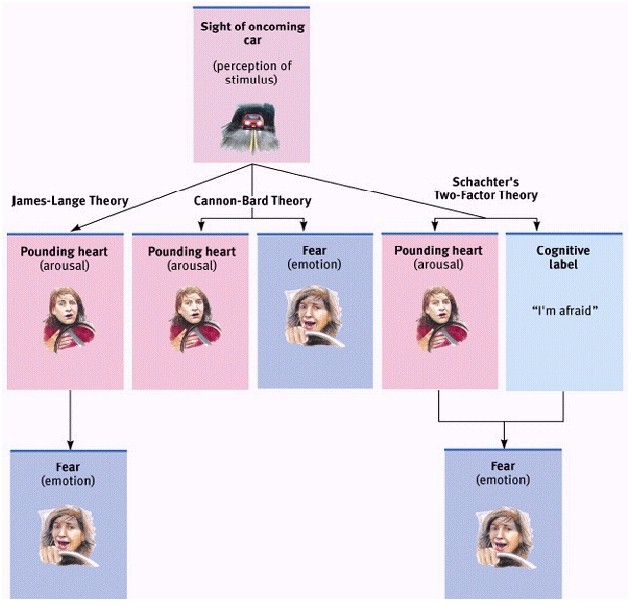
What is an emotion?
Theories of Emotion vary with explanation on the relationship between a bodily response and psychological feeling being primary components. In addition the appraisal of emotions also appears to be important where the cognitive interpretation is said to either precede or follow the affect.
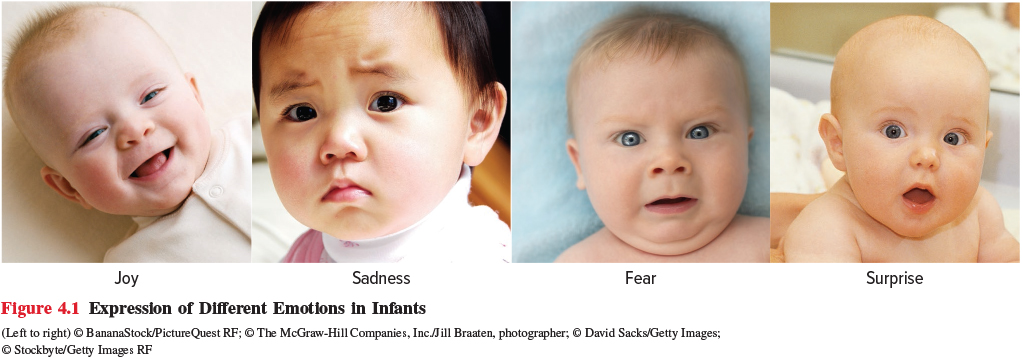
What are the basic emotions seen during infancy and across cultures
Infants’ emotions are usually influenced by those of their caregivers; otherwise strong biological influence and learning the social aspects of emotional expression
This is seen where children who are blind from birth smile and frown in the same way as children with normal vision
While facial expressions of basic emotions seem to be similar across cultures; cultural rules governing when, where, and how emotions should be expressed vary considerable and shape emotions
Neurocultural theory by Paul Ekman offers 7 basic emotions: Anger, Happiness, Fear, Surprise, Disgust, Sadness, Contempt. Have greater agreement for Happiness (88%) than for Sadness (74%) or Anger (59%).
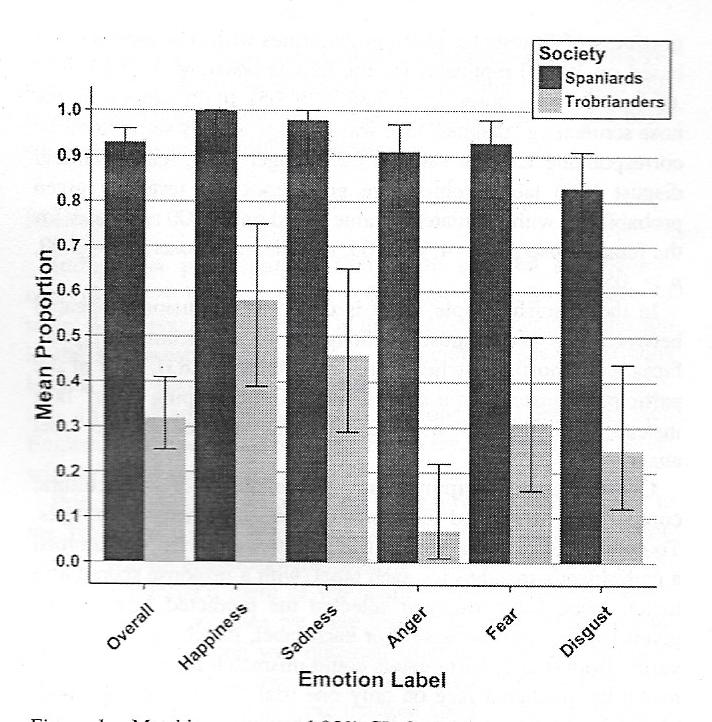
Recent work by Crivelli, Russell, Jarillo & Fernandez-Dols (2016a,b) shows that there is as little as Happy.58, Sad.46, Angry.07, Fear.31, Disgust.25 agreement with the facial expressions for Trobrianders and Happy1.0, Sad.98, Anger.91, Fear.93, Disgust.83 for Spaniards.
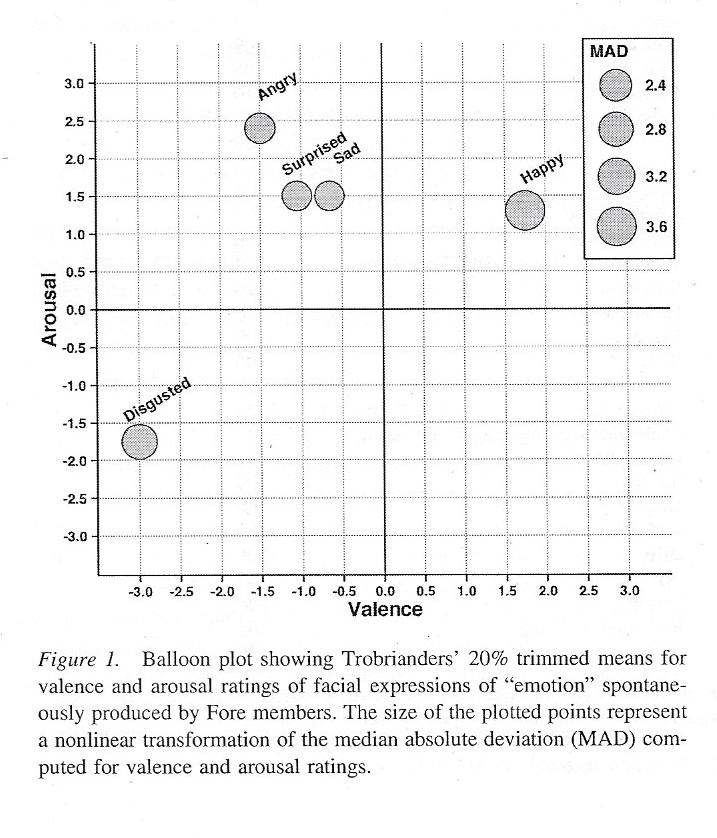
Likewise in comparing Trobrianders with others from Papua New Guinea found:
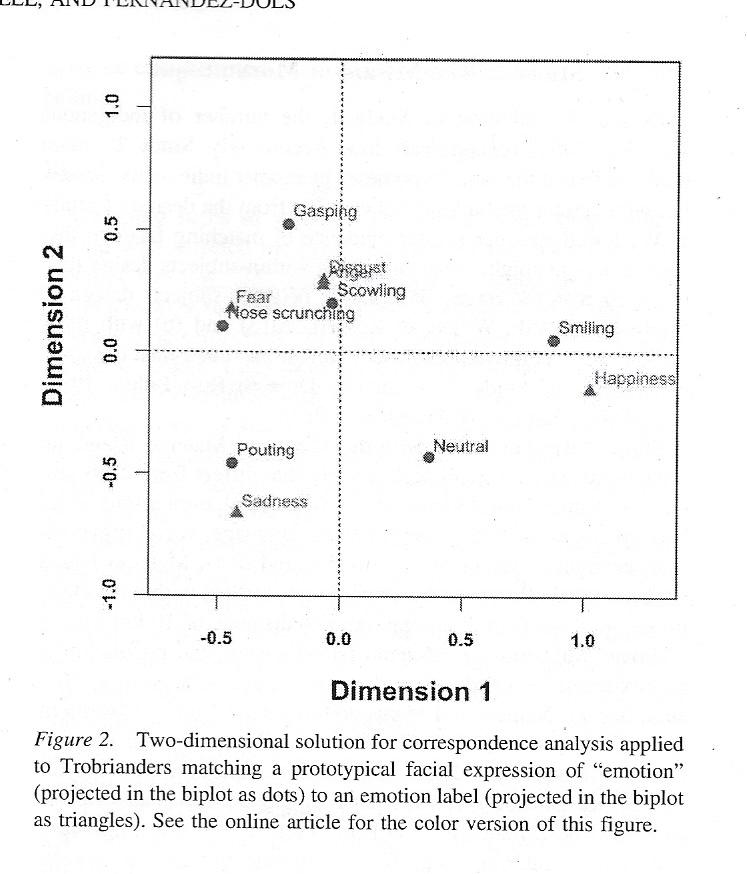
Sad.16, Happy.13, Disgust.06, Anger.03, & Surprise0.0 for the correct identification of emotions in picture and Disgust.38, Sad.29, Surprise.21, Happy.17, Anger.13 in labelling of emotion faces.They also found that Sad was often confused for Anger, Surprise and Disgust.
The emotional connections and interations between infants and their caregivers are reciprocal , or synchronous, meaning that they match each other.
Social referencing - occurs where infants learn to “read” emotional cues from others to determine how to act in situation. Through soothing they learn to modulate their emotions and reduce the level of stress hormones.
Our social relations are also moderated by our basic emotional patterns or temperament as well as our patterns of social bonding or attachment.
Chess and Thomas’s Classification
Kagan's inhibited and uninhibited types
Effortful control (self-regulation) - is an important dimension of temperament
Inhibited temperament - is associated with a physiological pattern that includes a high and stable heart rate, high levels of cortisol (stress hormone) and high activity in the right frontal lobe of the brain (where negative emotions are processed)
Four phases of attachment:
birth to 2 mo. - infants direct their attachment to human figures including strangers, siblings, and parents who are equally likely to elicit smiling or crying from the infant
2 - 7 mo. - attachment focused on one figure (usually primary caregiver); baby distinguishes between familiar and unfamiliar people
7 - 24 mo. - specific attachments develop; locomotor skills allow babies to actively seek contact with caregivers
24 mo. - children aware of others’ feelings, goals, plans; take these into account in their own actions
Harlows (1962) Early emotional attachment was believed to be formed during cuddling with mother.
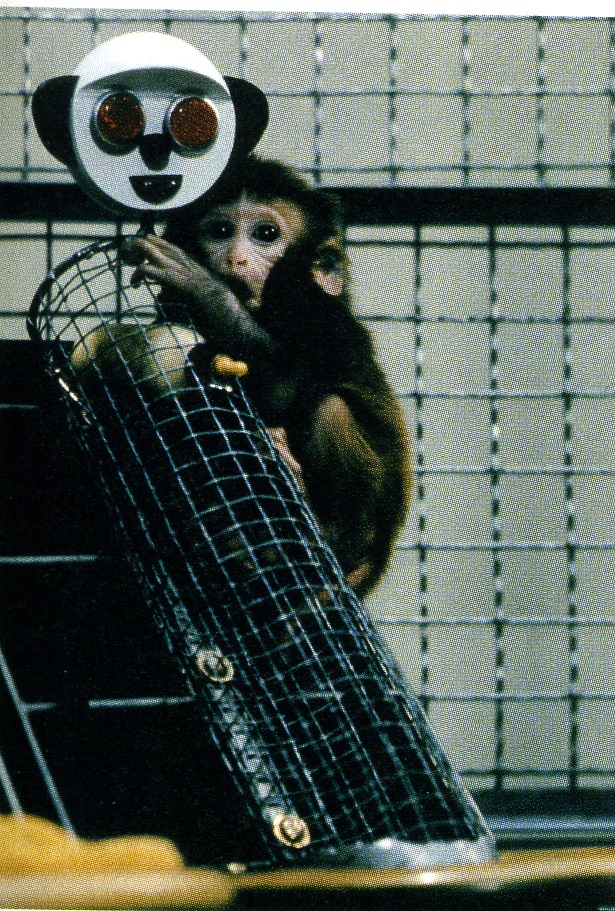
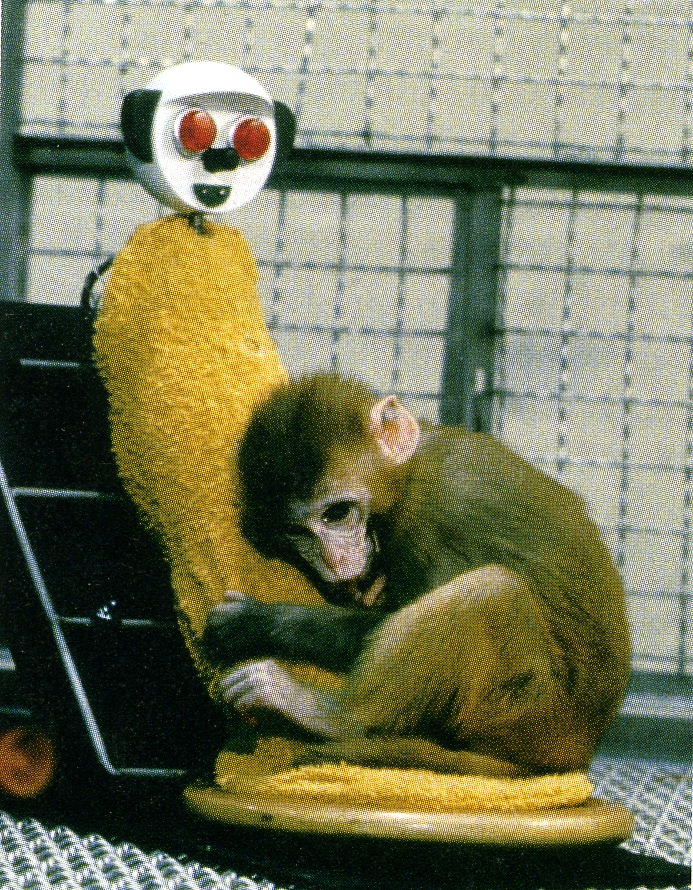
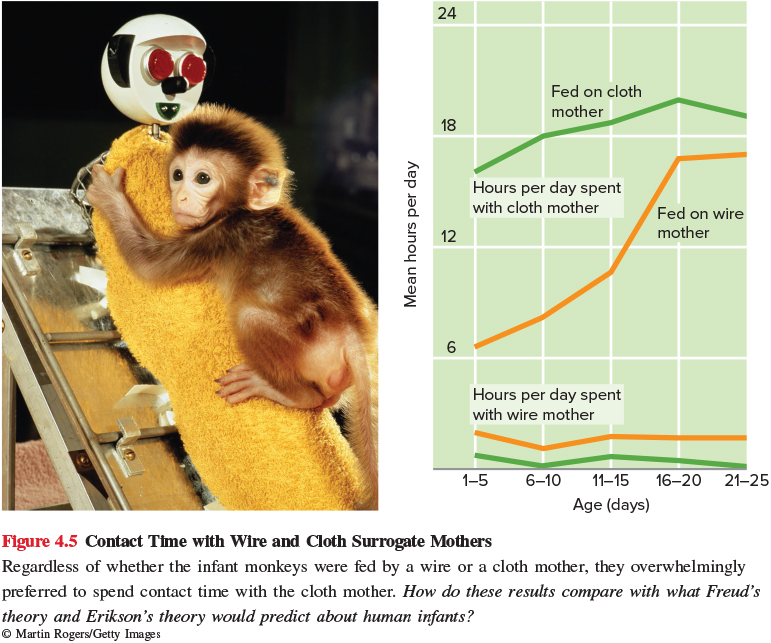
Studies monkey with 'wire' or 'cloth' mothers and found they preferred the cloth, in spite of food.
Contact Comfort is believed to exist between mother and infant, established basic emotional responsiveness.
John Bowlby first developed the concept of
Attachment - an affectionate emotional bonding between the infants and their mothers (caregivers).
Mary Salter Ainsworth - studied the active and complex interactions between mothers & children. -Found styles of attachment through strange-situation
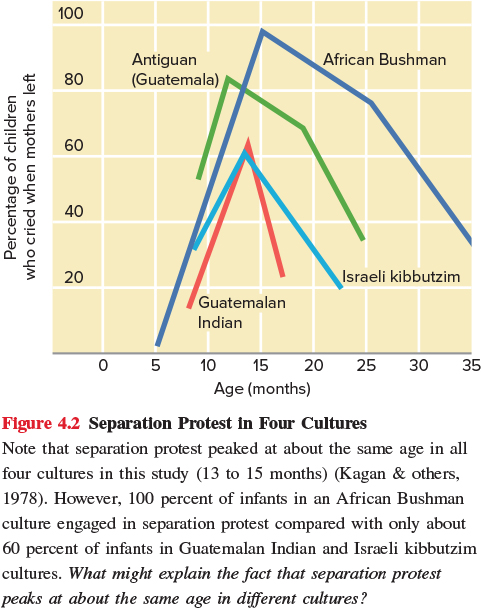
Separation anxiety - emotional distress that occurs in infants when they are removed or separated from the people with whom they are "attached" (8-28 months)
1. Secure Attachment is seen when child plays & explores then is upset when mother left, but calmed by return. Resilient with high self esteem as toddler and good social skills more close friends in late childhood.
2. Insecure Resistent (Anxious-Ambivalent) is characterised by anxiety even when mother is near, protesting excessively when she leaves, & not comforted when she returns. Child may cling to caregiver then later resist any closeness.
3. Avoidant Attachment - Generally plays alone and is not too comforted when caregiver returns and tends to avoid them.
4. Insecure disorganized - child displays disorganized and disoriented style where they might appear confused and fearful
An important issue regarding attachment is whether infancy is a critical or sensitive period for development.
Developmental cascades - invovle the connections among wide range of biological, cognitive, and socioemotional processes (e.g. attachment) and can also involve social contexts. Thus early attachment during infancy can be reflected later on in childhood, adloescence and adulthood.
Cultural and parenting influences on attachment abound and will be examined later.
Bowlby (1967 / 73) Indicate that normal parenting does not seriously affect attachment, more extreme styles tend to lead to differences, as seen across cultures.
However, ...Abusive, erratic and neglectful parenting may have an impact on child's attachment. Child's temperament may lead them toward anxious attachment. Attachment across cultures
Meta analysis by Van Ijzendoorn & Kroonberg (1998) shows
# of studies |
Country |
Secure % |
Avoidant % |
Anxious/Ambivalent % |
1 |
UK |
75 |
22 |
3 |
3 |
Germany |
57 |
35 |
8 |
4 |
Netherlands |
67 |
26 |
7 |
1 |
Sweden |
74 |
22 |
4 |
2 |
Japan |
68 |
5 |
27 |
2 |
Isreal |
64 |
7 |
29 |
18 |
USA |
65 |
21 |
14 |
1 |
China |
50 |
25 |
25 |
32 |
mean |
65 |
21 |
14 |
Separation Anxiety across cultures
Kagan (1976) reports small differences in age of maximum separation anxiety across cultures
which also marks object permanence, both as 'universal':
African Bushmen 15 months
Antiguans (Guatemala) 10 months
Kibbutzniks (Israel) 14 months
Mayans (Guatemala) 16 months
A sense of self begins to develop early in life but is somewhat crude and takes years (arguably a lifetime) to achieve.
Around 3 months of age infants begin to be attentive and positive toward their own image in a mirror
During the end of the second year beginning of the third year there is an emerging self-awareness that reflect a sense of “me”. This is fostered with language and the abililty to talk about oneself in relation to others.
Erikson's lifecyle approach to development focusses on the psycho-social nature of humans and how thorugh our social relations we develop virtues or strengths of the ego.
As such each stage of development invovles an orchestration of biological growth and needs, psychological skill development as well as social relations. Depending on the dynamics of all three influences each of us might turn toward to the positive ritualization for of relationships of the negative ritualisms of relationhips. If the postivie out weighs the negative the ego strength or virtue will emerge.

Infancy is donimanted by the dialectical crisis of trust vs mistrust. If an infant's needs are met they will develop trust, if not mistrust will dominate. With the proper balance of both the ego strength of Hope will emerge, something that is needed throughout the entire life cycle.
Acquiring this basic strength will enable the infant as they move towards childhood to then develop Will as the next ego strength derrived from the dialectic of Autonomy vs. Shame.
Autonomy is a sense of being able to do things on one's own while shame occurs when criticism or doubt emerges about being able to play or do things in the social world.
As infants begin to explore/expand social world their locomotor and cognitive skills develop together and interact with social relationships.
By around 6 month infants show interest in each other and increase their interaction with peers through the second year (18- 24 months) as they also learn to engage in imitatiion and reciprocal play.

Social Contexts
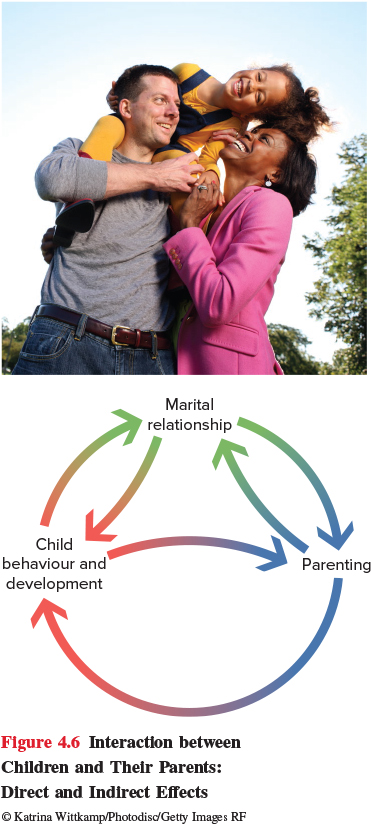
family - families come in various forms and involve a constellation of interacting subsystems
Reciprocal socialization - bidirectional socialization; children socialize parents just as parents socialize their children
Homecare or Day Care?
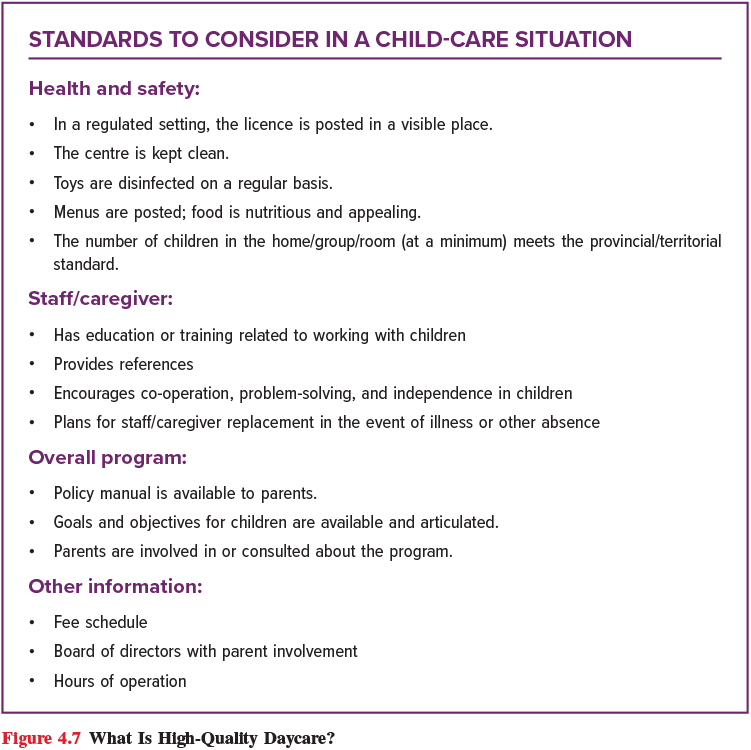
Homecare and daycare can each be beneficial to the infant as long as quality care is given.